Certificate in Chinese Herbal Medicine
This course investigates the potential interactions with herbs, pharmaceuticals, and other substances. Emphasis is placed on identifying interactions that could be harmful to patients.
- Teacher: Adam Wasserman
This course investigates the biochemical nature of herbs. It examines the chemical constituents and their correlations with actions of Chinese herbs.
- Teacher: Adam Wasserman
This series of courses provides more in-depth training into specialty areas in clinical practice. Differential diagnosis and therapeutic options utilizing acupuncture and Chinese herbs are covered. Topics include cultivation of herbs, gynecology, dermatology, oncology, traumatology, and pediatrics. Further investigation of relevant classical texts is also presented.
- Teacher: Adam Wasserman
This series of courses provides more in-depth training into specialty areas in clinical practice. Differential diagnosis and therapeutic options utilizing acupuncture and Chinese herbs are covered. Topics include cultivation of herbs, gynecology, dermatology, oncology, traumatology, and pediatrics. Further investigation of relevant classical texts is also presented.
- Teacher: Adam Wasserman
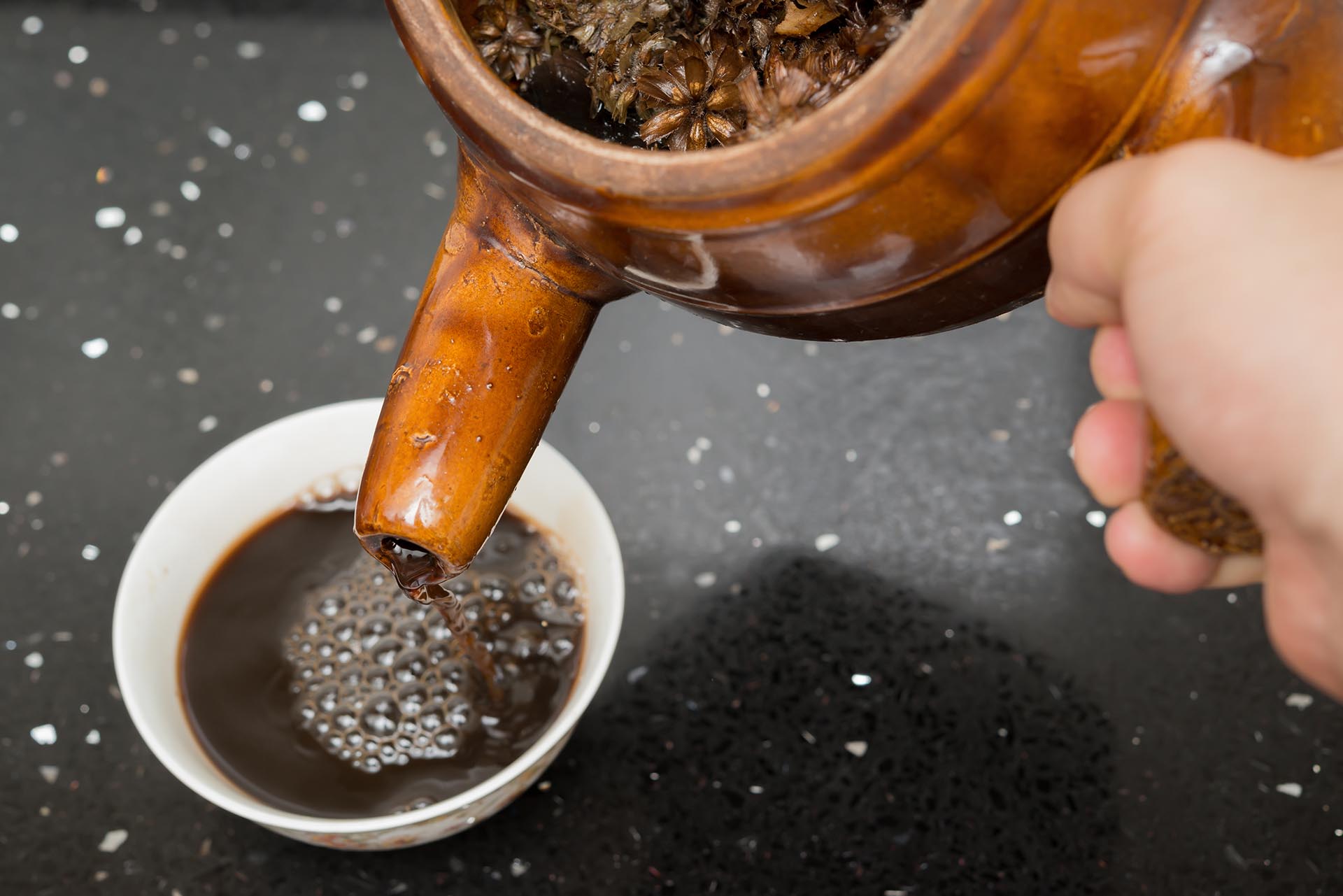
These courses provide instruction in differential
diagnosis and treatment utilizing Chinese herbs and acupuncture for a variety
of the most common internal conditions seen in an outpatient acupuncture
clinic. Topics include common problems of the respiratory, cardiovascular,
digestive, urinary, endocrine and immunological systems. The courses include an
integrated Chinese language component in which students read source materials
and case studies on the topics being covered. Additionally, case studies from
student and faculty clinical practices are discussed in relation to the
material being covered.
- Teacher: Adam Wasserman
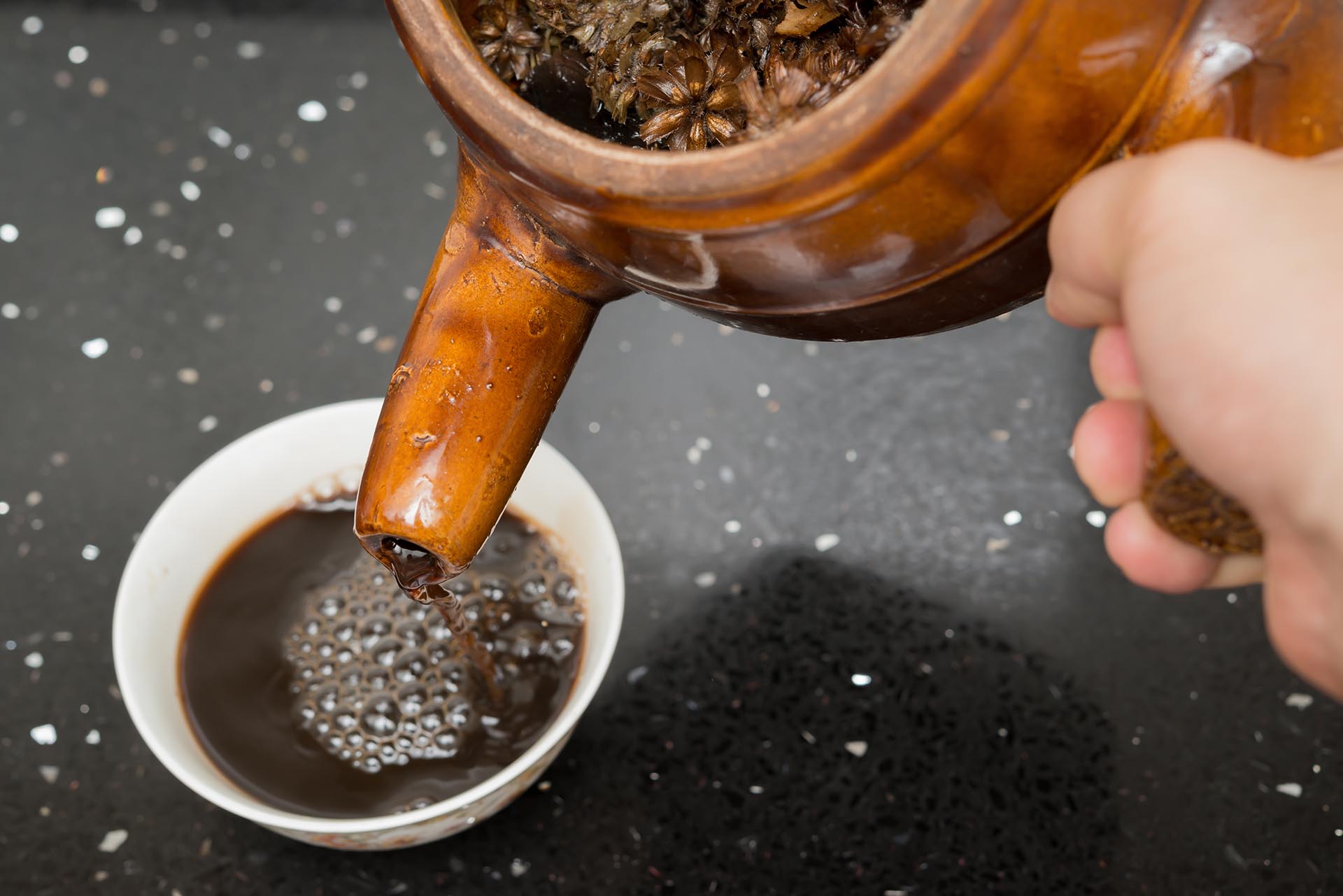
These courses provide instruction in differential
diagnosis and treatment utilizing Chinese herbs and acupuncture for a variety
of the most common internal conditions seen in an outpatient acupuncture
clinic. Topics include common problems of the respiratory, cardiovascular,
digestive, urinary, endocrine and immunological systems. The courses include an
integrated Chinese language component in which students read source materials
and case studies on the topics being covered. Additionally, case studies from
student and faculty clinical practices are discussed in relation to the
material being covered.
- Teacher: Adam Wasserman
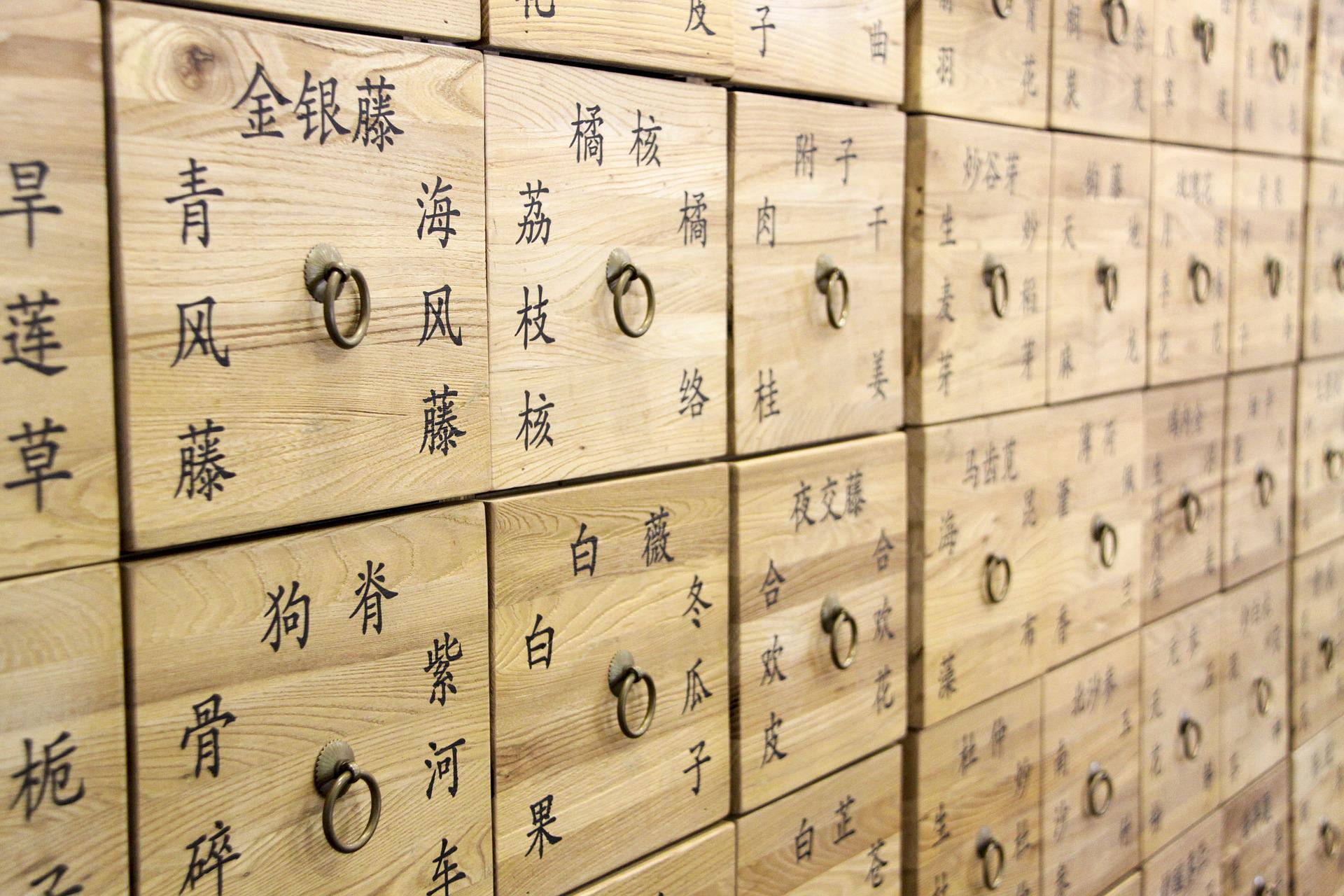
This course comprehensively covers herbs and formulas, expanding on what has already been introduced in Classical Herbal Theory. Each course draws from classical and modern sources and discusses the interaction of herbs within the formulas as well as the common modifications that are made. Each course covers approximately 125 herbs and 75 formulas, considering the properties, functions, indications and contraindications for each herb and formula. Herb study occurs concurrently with appropriate diagnostic courses and with work in the herbal dispensary and clinical preceptorship.
- Teacher: Adam Wasserman
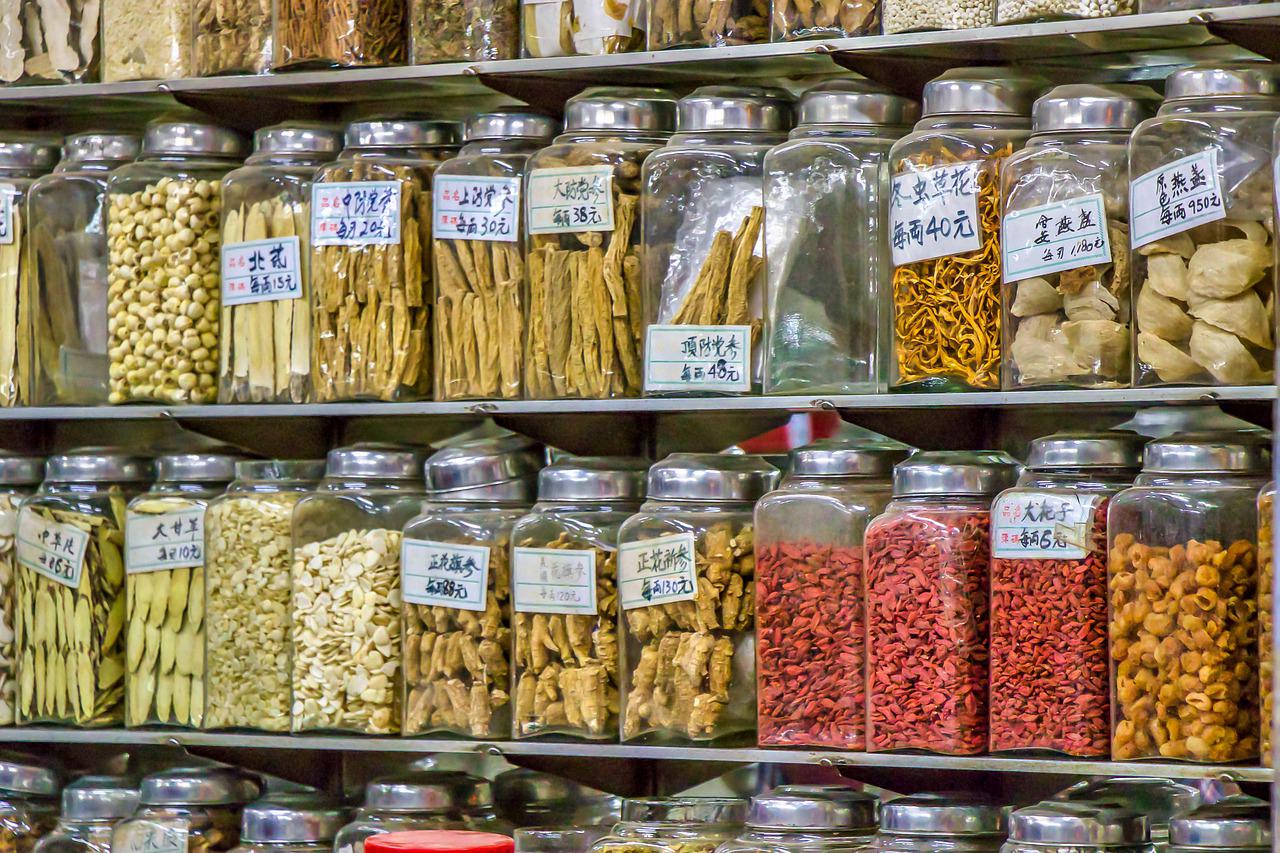
This course comprehensively covers herbs and formulas, expanding on what has already been introduced in Classical Herbal Theory. Each course draws from classical and modern sources and discusses the interaction of herbs within the formulas as well as the common modifications that are made. Each course covers approximately 125 herbs and 75 formulas, considering the properties, functions, indications and contraindications for each herb and formula. Herb study occurs concurrently with appropriate diagnostic courses and with work in the herbal dispensary and clinical preceptorship.
- Teacher: Adam Wasserman
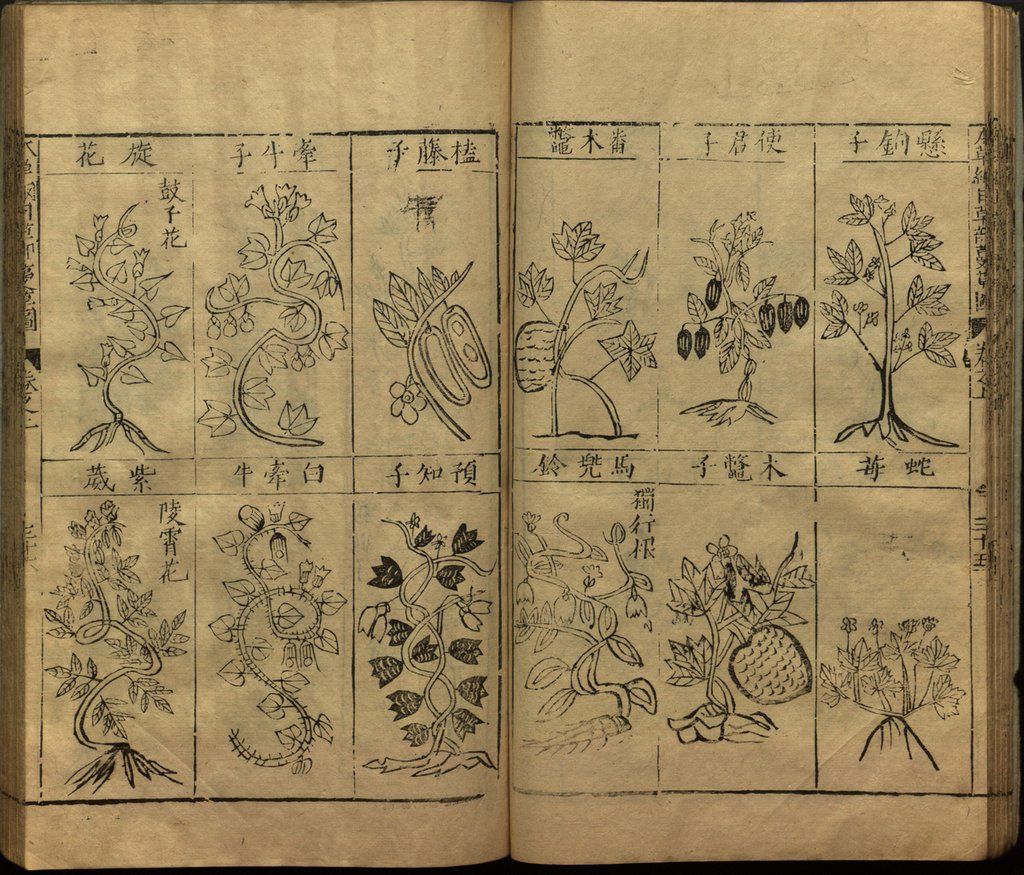
This course introduces the classical theory of herbal medicine through translation and discussion of classical Chinese texts including the huang di nei jing, shen nong ben cao, shang han lun, and wen bing texts. The foundational concepts of the basic natures and flavors of herbs, the temperatures of herbs, and the treatment models of the six stages, four levels, and three burners are introduced. Each course investigates approximately 150 herbs and 100 formulas and emphasizes the analyzation of herbal pairs within the formulas and comparing formulas for similar conditions from different schools of treatment. Students will also be introduced to the concepts of dosing within formulas and modifying formulas by looking at classical suggestions for modifications and comparing similar formulas from these texts. CCH802 also introduces additional classic texts, drawing material from the jin gui yao lue, pi wei lun, and fu qing zhu nu ke. Approximately 50 additional herbs and 25 additional formulas are discussed, as well as different models for diagnosing disease.
- Teacher: Adam Wasserman
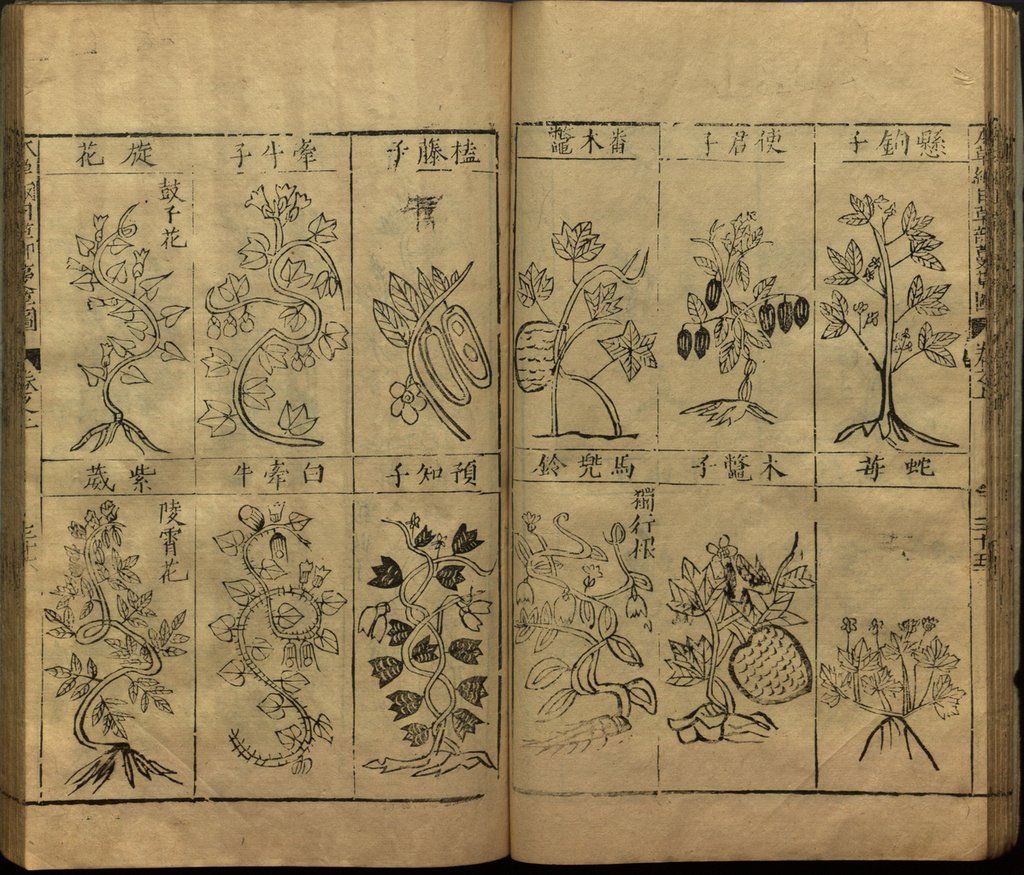
This course introduces the classical theory of herbal medicine through translation and discussion of classical Chinese texts including the huang di nei jing, shen nong ben cao, shang han lun, and wen bing texts. The foundational concepts of the basic natures and flavors of herbs, the temperatures of herbs, and the treatment models of the six stages, four levels, and three burners are introduced. Each course investigates approximately 150 herbs and 100 formulas and emphasizes the analyzation of herbal pairs within the formulas and comparing formulas for similar conditions from different schools of treatment. Students will also be introduced to the concepts of dosing within formulas and modifying formulas by looking at classical suggestions for modifications and comparing similar formulas from these texts.
- Teacher: Adam Wasserman